Responsible Community Development
Smart investments that build a stronger Delta Township for everyone
Delta Crossings
A $14.5 Million Give-Away Averted
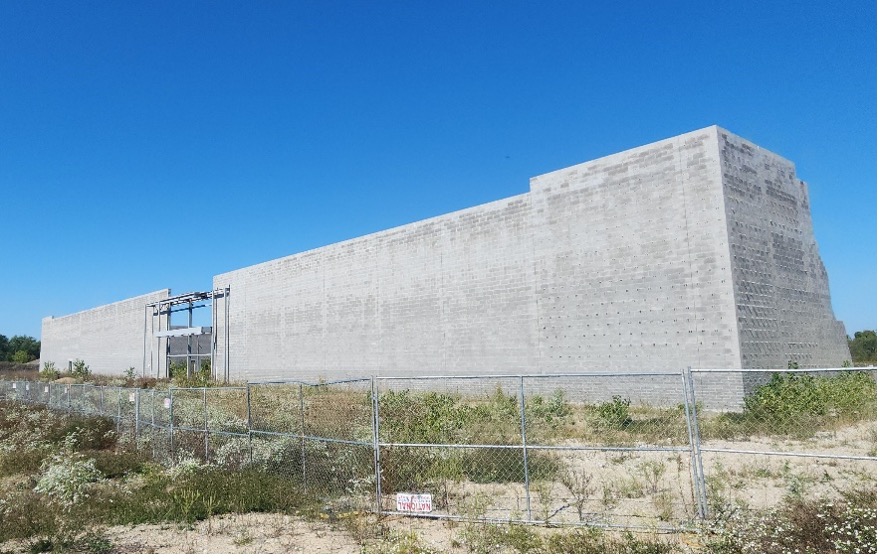
I keep getting asked: What’s going on with that big, ugly unfinished building next to BJ’s Warehouse? Well, here’s the background and the real story. In order to fully understand, one must be familiar with the world of government tax incentives. These have been a private-public investment incentive tool for many years. More notably in the form of Brownfield Tax Increment Financing, for example. How does it work? It’s a tool designed to encourage investment to remove or restore a dilapidated building or clean up contaminated property by ‘capturing’ future increased property taxes to help a developer pay for needed infrastructure improvements. This has worked well in communities with a traditional downtown or an abandoned industrial property. Delta has neither of these. Over the years, however, the state legislature has dramatically expanded this concept to include commercial/retail corridors and now, housing. Housing is addressed separately.
Several years ago, the Delta Crossings Developer came to us with a proposal to develop vacant land West of Interstate 69-96 on Saginaw Hwy. This is where BJ’s and Texas Roadhouse are located, for example. The proposal was to establish a Saginaw Corridor Improvement Authority and create a Tax Increment Finance Agreement (TIFA) so the Developer could get reimbursed $14.5 million for infrastructure — all on undeveloped land with no contamination and no dilapidated buildings. It was a significant ask, and one that deserved serious scrutiny. Rosy projections suggested the development would be complete in as little as 7 years, with the township continuing to pay the Developer until the reimbursement was paid in full. Having seen similar arrangements during my years as an administrator with the State of Michigan.
As your Treasurer, I publicly insisted on documentation of financial need without which, the project wasn’t feasible. Such financial justification is a standard requirement for State Michigan Economic Development Corporation (MEDC) loans or grants, for example. I firmly believe any tax incentive must prove financial need first and foremost and the development will bring an overall cost and societal benefit for Delta Township.
I was the only township elected official to publicly insist the Delta Crossings Developer provide the most basic financial documentation to justify a $14.5 million taxpayer subsidy. Well, it should come as no surprise that all I received was negative pushback through lobbying efforts and personal attacks. All for just protecting Delta taxpayers. And what ultimately happened?
The Delta Crossings Developer was sued in federal court by his very own partners, putting a stop to any further construction. That is why you continue to see the big, ugly unfinished building. Now, with new partners, Delta Crossings is again requesting the same $14.5 million reimbursement. You can be assured of my continued vigilance in protecting Township’s interests.
Affordable Housing Tax Incentive Requests
The Next New Wave
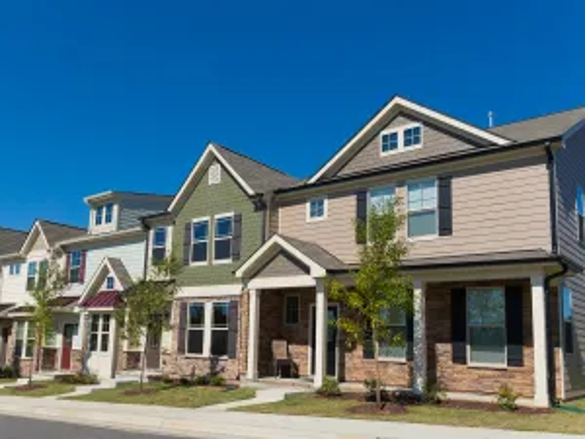
Affordability is a major bread-and-butter concern today. It seems everything is costing more than what wages can keep up with. Aside from groceries, transportation, childcare and education, housing, including rents, is the single costliest expense for most working residents. We hear there is an overall housing shortage and yes, there is more demand than supply. Delta is not an island and we have the same indicators as do other communities. Because much of the township has already been built out for residential housing, there are only a few remaining locations within the township where sizeable tracks of land can be developed for residential housing. If you’re familiar with the housing market, you understand the exponential increase in the price of a house, condo or apartment. Traditionally, the Michigan State Housing Development Authority (MSHDA) and the federal Housing and Urban Development (HUD) have been the agencies that provide incentives for affordable housing choices.
However, recent actions by the state have permitted local communities to offer tax incentives as well. Whether it’s a Payment In Lieu of Taxes (PILT) or a housing tax increment financing agreement (TIFA), the result is the same, it is a subsidy for a developer and a reduction in tax revenue growth for the township. All the while the demand for services increases with each new residential project. This increases the tax burden on all other property taxpayers. The trade-off? A portion of a new subdivision or rental complex that offers below market rate housing choices.
Now, with state law allowing local governments the power to award housing tax incentives, every developer will come with hat-in-hand asking for a public subsidy. And why not? If you don’t ask, you won’t get it. As I said, Delta is not an island and there is a need for affordable housing in our society, but I believe any request must take into consideration the net benefit to the township, the surrounding residential areas and Delta taxpayers at large. In other words, what is the cost-benefit ratio of approving a 20- or 30-year tax subsidy? How will a subsidized development affect the surrounding neighborhoods? Do we favor single family homes over apartments?
Answering these questions will be a challenge for our Board of Trustees but I will bring thoughtful consideration with the full participation of the local residents, when we are approached for taxpayer funded subsidies.